
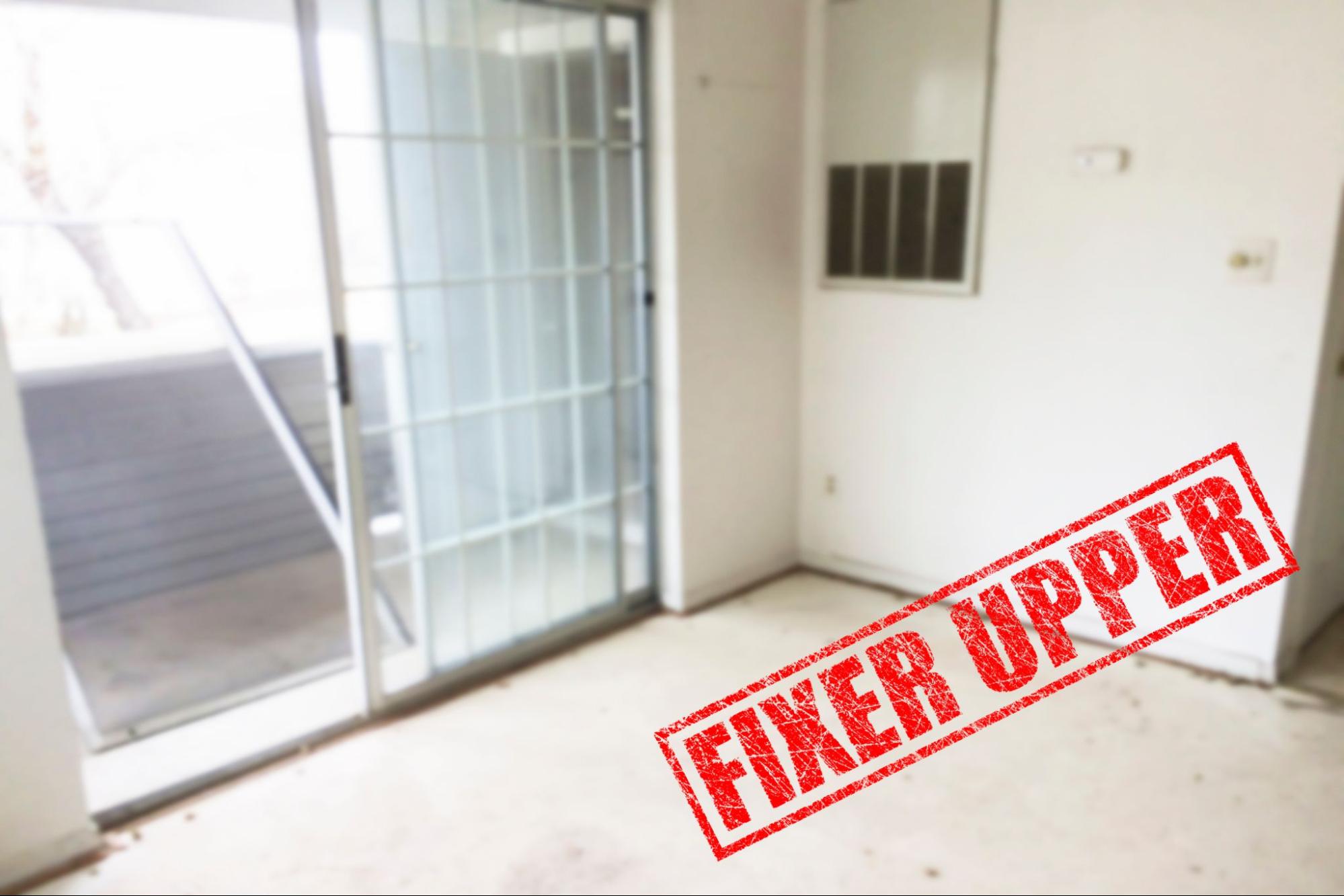
How to Sell a Birmingham Fixer-Upper That Never Got Finished
A fixer-upper often starts with excitement. You picture new cabinets, open walls, updated flooring, maybe even a full redesign. Then life shifts, budgets tighten, contractors disappear, or timelines stretch far beyond what you expected. Months later, you stand in a half-finished house in Birmingham with exposed drywall, incomplete wiring, or a kitchen that exists only in pieces.
Selling a home that never got finished feels intimidating. Many owners assume buyers will run the other direction. The truth looks different. Unfinished properties sell every day in Birmingham. You just need the right strategy.
This guide explains how to sell a Birmingham fixer-upper that stalled mid-project, what buyers look for, and how to protect yourself from unnecessary setbacks.
First, Be Honest About the Condition
Buyers can handle unfinished work. What they struggle with is uncertainty. Walk through the property and write down exactly what remains incomplete. Is the plumbing connected? Are permits open? Did you remove load-bearing walls without final inspection? Did electrical work pass code? Clear answers matter.
Gather any documentation you still have. Contractor invoices, permit applications, inspection reports, material receipts, and even photos of work behind the walls help buyers feel more confident. Transparency reduces fear. Fear lowers offers.
In Birmingham, many homes built decades ago require updates. Buyers already expect work in certain neighborhoods. A partially completed renovation does not automatically kill a deal. Lack of clarity does.
Understand Your Buyer Types
Not all buyers want a move-in-ready home. In fact, several buyer groups actively look for unfinished projects.
Local Investors
Real estate investors often search for properties they can complete and resell. They understand construction costs and timelines. They care more about structure and layout than cosmetic issues.
Experienced Renovators
Some buyers enjoy finishing projects themselves. They see opportunity where others see inconvenience.
Direct Cash Buyers
Buyers who purchase homes without bank financing often move faster and tolerate unfinished spaces. Lenders hesitate when kitchens or bathrooms sit incomplete. Cash buyers remove that hurdle.
Knowing your audience shapes your marketing approach.
Decide Whether to Finish or Sell As-Is
You face a key decision: complete the renovation or sell in its current state.
Ask yourself three questions:
- Do you have the time to manage contractors?
- Do you have the funds to finish properly?
- Will finishing significantly increase your net result?
Many owners sink more money into a stalled project hoping to recover costs. Renovations rarely move in straight lines. Hidden issues appear. Materials cost more than expected. Permits take longer. Selling as-is often makes more sense if stress or budget limits already stopped the project once.
Address Permit and Code Issues Early
Unfinished renovations sometimes leave permits open. In Birmingham and Jefferson County, building departments track active permits. Buyers will discover them during due diligence. Contact the local building office and ask about the status. You may need final inspections or documentation from licensed contractors. Even if you plan to sell without finishing the work, knowing the status helps you answer buyer questions confidently. Open permits do not automatically block a sale. Silence and confusion do.
Price Based on Reality, Not Emotion
Many homeowners feel emotionally tied to the money already spent. Unfortunately, the market does not reward unfinished effort. A half-installed kitchen does not carry the same value as a completed kitchen. Materials sitting in boxes do not equal installed improvements.
Study similar properties in Birmingham that sold in similar condition. Look at square footage, neighborhood, and level of completion. Honest pricing attracts serious buyers and reduces time on market. Buyers calculate repair costs immediately. If your asking price ignores those costs, offers will reflect the difference.
Clean and Secure the Property
Even unfinished homes should feel safe and presentable. Remove trash and loose debris. Secure exposed wiring. Cover open insulation. Sweep dust and construction materials into organized areas. Make the house look controlled rather than abandoned.
Presentation signals responsibility. Buyers feel more comfortable investing in a project when the property does not look neglected.
Expect Inspection Questions
Unfinished homes invite detailed inspections. Buyers will ask:
- Are utilities fully functional?
- Are structural elements intact?
- Were licensed contractors involved?
- Are materials included in the sale?
Prepare honest answers. If you do not know, say so. Honesty builds trust faster than vague responses. Some buyers will request repair credits or price adjustments after inspections. Anticipate that possibility and build flexibility into your expectations.
Traditional Listing vs Direct Sale
Listing with an agent exposes the property to a wider audience. That approach works best if the renovation remains mostly cosmetic and the house still qualifies for conventional financing. Severely incomplete homes often struggle with lender requirements. Missing fixtures, exposed systems, or unfinished kitchens may prevent loan approval. In that case, financed buyers drop out.
Direct buyers remove that risk. They purchase homes in their current condition without waiting for lender approval. Many Birmingham owners with stalled renovations choose this route for speed and certainty. You can research phrases like sell house as is Birmingham or unfinished renovation home buyer Birmingham to understand available options.
How Investors Evaluate Unfinished Projects
Investors approach fixer-uppers with a formula. They estimate after-repair value. Then they subtract renovation costs, holding costs, and profit margin.
Your job is not to argue with their math. Your job is to present accurate information so their estimates reflect reality.
Provide details about:
- Roof age
- HVAC condition
- Foundation stability
- Square footage
- Layout changes already completed
The clearer the data, the more confident the offer.
Emotional Fatigue Is Real
Unfinished renovations often carry emotional weight. Plans fell apart. Expectations shifted. Maybe you imagined living in the completed home. Holding onto that vision can cloud decision-making. A clean sale allows you to close that chapter and redirect energy elsewhere.
Many Birmingham homeowners feel relief once the project transfers to someone ready to complete it.
Timing Matters in Birmingham
Birmingham neighborhoods vary widely. Areas near downtown, Avondale, Woodlawn, or Crestwood often attract renovation-focused buyers. Suburban neighborhoods may lean toward move-in-ready demand.
Local market conditions influence how fast unfinished properties move. In stronger demand periods, investors compete more aggressively. In slower cycles, pricing discipline becomes critical. Understanding neighborhood dynamics helps set realistic expectations.
Final Steps Before You List or Accept an Offer
Before finalizing a sale:
- Gather all documentation.
- Confirm permit status.
- Remove personal items.
- Disclose known issues clearly.
- Consult a real estate attorney if major structural work remains incomplete.
Preparation strengthens your negotiating position.
Frequently Asked Questions
Can I sell a Birmingham house with unfinished renovations?
Yes. Many buyers actively seek unfinished projects.
Do I need to close out permits before selling?
Not always, but buyers will want full transparency about permit status.
Will banks finance an unfinished house?
Some lenders hesitate if major systems or kitchens remain incomplete.
Should I finish the renovation before selling?
It depends on your budget, timeline, and projected return.
Are unfinished homes harder to sell in Birmingham?
They require the right buyer, but demand still exists, especially among investors.
Stuck with an unfinished project in Birmingham? We Buy Houses Birmingham can review your property as-is and help you move forward. Call (702) 850-8001 to talk through your options.