
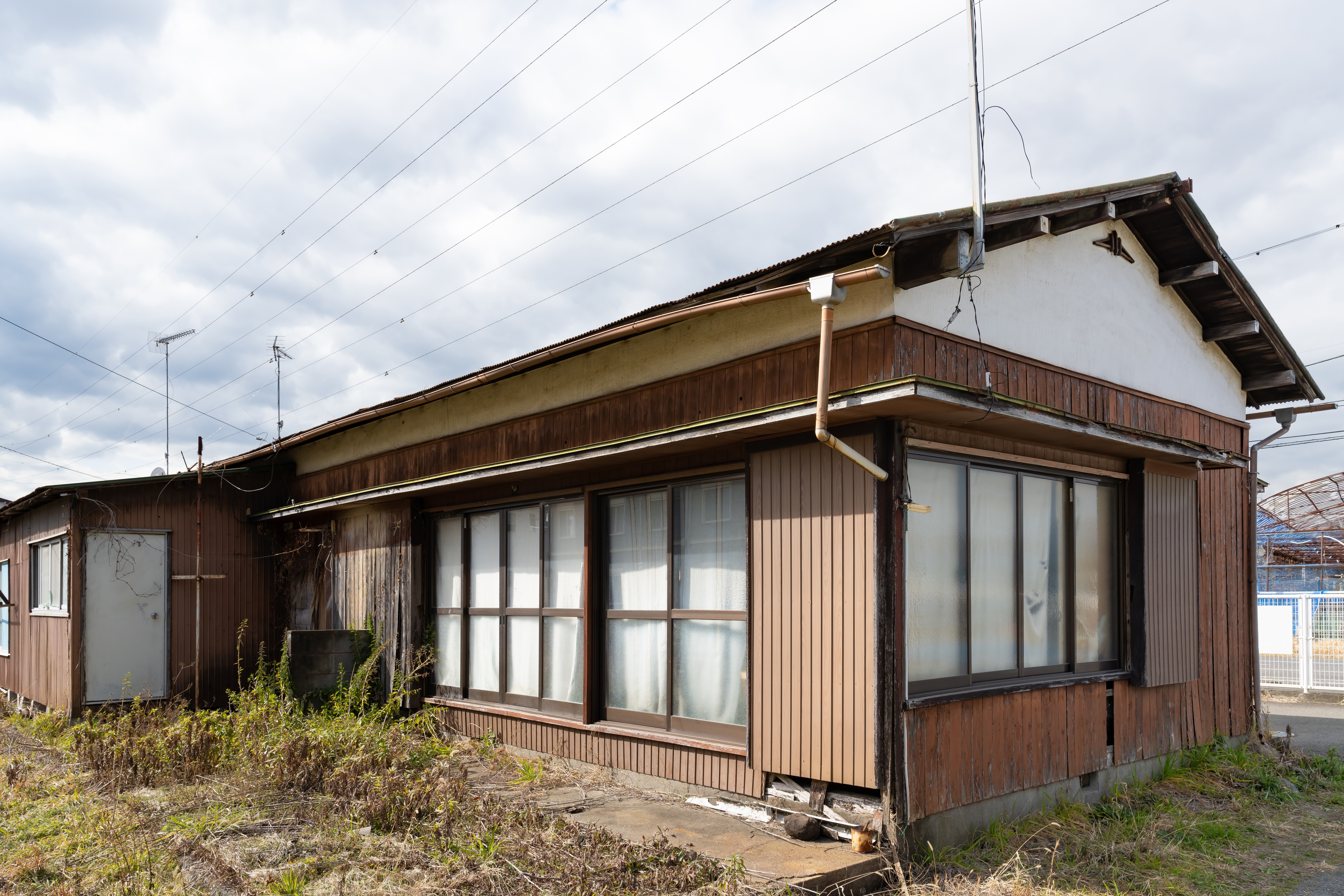
Selling a House You’ve Never Lived In: Absentee Owners and Unknown Property Conditions
You just found out you own a house in Birmingham. Maybe it came through inheritance after a relative passed. Maybe you bought it as an investment years ago and tenants have been handling everything. Or perhaps a divorce settlement gave you a property you never actually lived in.
Now you need to sell it. There’s just one problem: you have no idea what condition it’s in.
You’re not alone. About 1 in 5 inherited properties in Alabama are sold by owners who never occupied them. These absentee owner situations create unique challenges that traditional real estate sales aren’t built to handle.
In this guide, you’ll learn exactly how to navigate selling a Birmingham property you’ve never lived in, what your legal obligations are, how to handle unknown property conditions, and why cash buyers often make the most sense for these complicated situations.
Why Absentee Ownership Creates Unique Selling Challenges
Selling any house is complex. Selling one you’ve never lived in multiplies those complications.
The information gap is your biggest obstacle. Traditional buyers and their lenders want detailed disclosures. They’ll ask about the roof age, when the HVAC was last serviced, whether the basement floods during Birmingham’s heavy spring rains, and if the foundation has any issues.
When you’ve never lived there, honest answers often sound like: “I don’t know.”
That phrase makes buyers nervous. It makes their lenders even more nervous.
Distance compounds everything. If you’re in another state, coordinating repairs, meeting inspectors, or handling emergency issues becomes a logistical nightmare. A burst pipe doesn’t wait for you to book a flight to Birmingham.
Your emotional detachment cuts both ways. On one hand, you’re not emotionally attached to the property, which can make business decisions easier. On the other, you lack the intimate knowledge that comes from living somewhere. You don’t know which contractors the previous owner trusted or which neighbors might have concerns about the property’s maintenance.
Financial pressure builds faster. If you inherited property from a family estate, you’re likely paying property taxes, insurance, and utilities on a house generating zero income for you. Every month you wait to sell costs money.
The Unknown Condition Problem: What You Don’t Know CAN Hurt You
Here’s the uncomfortable truth: unknown doesn’t mean undisclosed. In Alabama, sellers have legal obligations to reveal known defects. But what happens when you genuinely don’t know about problems?
Three scenarios create liability for absentee sellers:
First, visible issues you “should have known about.” If the roof clearly sags or the foundation has major cracks visible from the street, claiming ignorance won’t protect you. Alabama courts have ruled that obvious defects carry implied knowledge.
Second, problems in property records. If permits show unpermitted additions or the county has code violation notices on file, you’re expected to know about these public records even if you’ve never researched them.
Third, information from previous occupants. If the estate executor mentioned foundation issues or former tenants complained about electrical problems, you can’t claim complete ignorance during disclosure.
Birmingham-specific concerns for unknown properties:
Birmingham’s clay-heavy soil causes foundation movement in about 60% of homes over 30 years old. If you’ve never lived there, you won’t know if the doors stick seasonally or if cracks are active or stable.
The city’s older housing stock (median age 52 years) means hidden issues with plumbing, electrical, and HVAC systems are common. Cast iron pipes deteriorate from the inside out. Knob-and-tube wiring might be buried in walls. Original HVAC systems from the 1970s might barely function.
Properties in flood-prone areas near Valley Creek or Village Creek might have water damage you’ve never witnessed. One seller discovered their “inherited property in good condition” had been taking on water for three years.
Your Legal Obligations as a Seller (Even If You’ve Never Stepped Inside)
Alabama law requires sellers to complete a property disclosure form. The key phrase: “to the best of your knowledge.”
What this actually means for absentee owners:
You must disclose what you know. If the executor told you about roof damage, you can’t omit it. If inspection reports exist from previous sales attempts, you need to share them.
You must disclose what records show. Pull permits, code violations, and property history from Jefferson County records. These are considered accessible knowledge.
You should investigate obvious concerns. If aerial photos show a tarp on the roof, you can’t claim ignorance about roofing issues without at least getting it inspected.
But here’s your protection: Genuine ignorance about hidden defects doesn’t automatically create liability. If you disclose “I have never occupied this property and cannot verify the condition of systems and components,” you’ve put buyers on notice.
The smart move: get a pre-inspection. Spending $400 for a Birmingham home inspector to document the property’s condition protects you in two ways. First, you’ve done due diligence. Second, you have concrete information to disclose rather than a long list of “I don’t know” answers that scare buyers away.
However, many absentee owners skip this step entirely by selling to cash buyers who purchase properties as-is, eliminating the need for detailed condition knowledge.
How to Assess a Property You’ve Never Lived In
If you’re going to list traditionally, you need basic property knowledge. Here’s how to gather it from a distance.
Start with public records. Jefferson County’s property records show:
- Sale history and price trends
- Property tax assessments and payment status
- Permit history for major work
- Code violations or liens
- Flood zone designation
All of this is searchable online without visiting Birmingham.
Request utility data. Contact Alabama Power, Birmingham Water Works, and gas providers. High water bills suggest leaks. Spiking electric use might indicate HVAC problems. Complete utility shutoffs could mean frozen pipes burst during the winter.
Drive-by inspection alternatives. If you can’t visit personally, hire a local property manager or real estate photographer for a detailed photo/video walkthrough. Request:
- Exterior condition from all four sides
- Visible roof condition
- Yard and drainage issues
- Interior of every room
- All mechanical systems
- Any obvious damage or deferred maintenance
Cost: $150-300 for a thorough documentation visit.
Talk to neighbors. They know if the property has been vacant, if there were tenant issues, or if there are ongoing problems like drainage affecting multiple properties.
Review previous tenant or occupant records. Maintenance requests, move-out reports, and complaints tell you what’s been problematic. If three consecutive tenants mentioned the same bathroom leak, assume it still exists.
Order a property condition report. This differs from an appraisal. For $200-400, you get a detailed assessment of the condition without the buyer pressure of a traditional inspection. You’ll know what you’re dealing with before listing.
Why Cash Buyers Are Ideal for Absentee Owner Situations
Traditional sales require property knowledge, repairs, and active management. Cash buyers eliminate all three requirements.
No repairs means no contractor coordination. You won’t need to schedule plumbers, roofers, or electricians in a city you don’t live in. You won’t need to get multiple bids, verify work quality, or handle payment disputes. Cash home buyers purchase properties as-is, regardless of condition.
No showing management. Traditional sales need you to prepare the property for showings, coordinate with a lockbox, and maintain the house during the listing period. For out-of-state owners, this means hiring someone locally or making repeated trips to Birmingham.
No financing contingencies. Traditional buyer loans require appraisals. If the appraiser notes deferred maintenance or needed repairs, the deal can fall apart. With cash sales, there’s no lender to satisfy.
Fast closings reduce carrying costs. Every month you own an unoccupied Birmingham property costs you $300-800 in property taxes, insurance, utilities, and maintenance. Traditional sales take 60-90 days minimum. Cash sales can close in as little as 7-14 days.
Simplified disclosure. While you still must be honest, cash buyers expect properties they’ve never lived in come with unknowns. They’re equipped to handle surprises. Traditional buyers often walk away when sellers answer “I don’t know” too many times.
Distance doesn’t matter. Cash buyers can coordinate everything remotely. You won’t need to visit Birmingham for the closing. Documents can be signed electronically or overnighted.
One California-based seller inherited his uncle’s Forestdale property. He’d never been to Alabama. A cash sale let him handle everything from San Diego. Total trips to Birmingham: zero.
The Step-by-Step Process for Selling Sight Unseen
Whether you choose traditional or cash sale routes, here’s how to handle an absentee sale properly.
Step 1: Secure the property immediately. Change locks, verify insurance is active, and winterize if the house is vacant. Birmingham’s freeze-thaw cycles can burst pipes in unheated homes.
Step 2: Determine basic condition. Use the assessment methods above to understand what you’re selling. At minimum, get exterior photos and a rough interior assessment.
Step 3: Research the market. Look at comparable sales in the neighborhood. Sites like Zillow give estimates, but they’re often inaccurate for Birmingham’s diverse neighborhoods. A Homewood property differs drastically from one in Ensley despite similar square footage.
Step 4: Decide your selling strategy.
- Traditional sale: Higher potential price, but requires more knowledge, time, and management
- Cash sale: Lower price, but zero hassle and fast closing
For most absentee owners, especially those facing probate delays or inherited property complications, cash sales make financial and practical sense.
Step 5: If pursuing traditional sales, hire local help. You need:
- A Birmingham real estate agent who understands absentee owner sales
- A property manager to coordinate showings and handle issues
- Contractors on standby for any required repairs
Step 6: If pursuing cash sales, get multiple offers. Not all cash buyers offer the same price or terms. Get at least three quotes. Ask:
- How quickly can you close?
- Do you charge any fees?
- Will you handle clearing out the remaining belongings?
- Can the closing be done remotely?
Step 7: Handle the closing. For absentee owners, remote closing is essential. E-signatures and overnight document shipping make this possible. You’ll never need to visit the property.
Common Mistakes Absentee Sellers Make
Underestimating carrying costs. That Birmingham property costs you money every day you own it. Quick math: $200 monthly taxes + $100 insurance + $75 utilities + $50 maintenance = $425/month. Over six months of a traditional sale, that’s $2,550 in pure costs eroding your net proceeds.
Assuming “as-is” means “no disclosure.” Even cash buyers who purchase as-is expect honest disclosure about what you DO know. Don’t conflate “I’m not making repairs” with “I don’t have to tell you about problems.”
Delaying the decision. Hoping the market will improve or putting off dealing with the property costs you money and creates risks. Vacant properties attract break-ins, vandalism, and code violations.
Overpricing based on online estimates. Zillow’s “Zestimate” doesn’t account for condition. If the algorithm says $180,000 but the roof needs $12,000 in work, the foundation has $8,000 in issues, and the HVAC is failing, the real value might be $145,000.
Hiring the wrong agent. Not all Birmingham agents understand absentee owner sales. You need someone experienced with remote sellers, as-is sales, and investor buyers.
Ignoring tax implications. Inherited property has different capital gains treatment than purchased property. Consult with a CPA familiar with Alabama real estate tax law before selling. The basis step-up at inheritance can save you thousands in taxes.
FAQs: Selling a Birmingham House You’ve Never Lived In
Do I have to visit the property before selling it?
No, you don’t legally need to visit a Birmingham property before selling it. Many absentee owners complete entire sales remotely, especially when working with cash buyers. However, at least getting professional photos or a virtual walkthrough helps you understand what you’re selling and price it appropriately. If you choose this route, make sure your disclosure clearly states you haven’t personally inspected the property.
What happens if buyers discover problems I didn’t know about?
If you genuinely didn’t know about the issues and properly disclosed your lack of knowledge about the property’s condition, you’re generally protected in Alabama. The key is honest disclosure: “I inherited this property and have never occupied it” puts buyers on notice. However, if problems were in public records, mentioned by previous occupants, or obviously visible, claiming ignorance won’t shield you from liability. This is why many absentee owners prefer selling to cash buyers who expect unknowns.
Can I sell a Birmingham house if I’m out of state?
Absolutely. Out-of-state sellers complete Birmingham property sales regularly through remote closing. You can sign all documents electronically or via mobile notary, and funds can be wired directly to your bank. Many cash buyers specialize in out-of-state seller transactions, handling everything from property access to closing coordination without requiring you to visit Alabama. The entire process can happen from wherever you currently live.
Should I make repairs before selling an inherited Birmingham property?
For absentee owners, making repairs rarely makes financial sense. You’ll need to coordinate contractors from a distance, verify work quality remotely, and front cash for repairs that may not increase your sale price proportionally. If the property needs $20,000 in repairs, you might only see a $15,000 price increase. Selling as-is to cash buyers eliminates repair costs and hassles while getting you out from under carrying costs quickly.
How do I price a house I’ve never seen?
Start with Birmingham’s comparable sales in the same neighborhood, then adjust downward for unknown conditions and likely deferred maintenance. A property you’ve never lived in probably needs work. Conservative pricing accounts for this reality. Better yet, get multiple cash offers from Birmingham investors who’ll assess the property themselves and provide realistic offers based on actual condition. Their offers factor in repair costs and risk automatically.
Your Path Forward as an Absentee Seller
Selling a Birmingham house you’ve never lived in doesn’t have to be overwhelming. Here’s what matters most:
- You have legitimate options for selling remotely without ever visiting the property or coordinating extensive repairs
- Your disclosure obligations are manageable when you’re honest about what you don’t know and take reasonable steps to learn basic property information
- Carrying costs make speed valuable – every month of delay costs you hundreds in taxes, insurance, and utilities with no benefit
The unknowns that scare traditional buyers and their lenders are exactly what cash buyers handle every day.
If you own a Birmingham property you’ve never lived in and need to sell without the hassle of repairs, showings, or multiple trips to Alabama, We Buy Houses Birmingham specializes in absentee owner situations. We handle everything remotely, purchase properties as-is regardless of condition, and can close in as little as seven days. Call (702) 850-8001 or fill out our online form for a no-obligation cash offer on your Birmingham property. Let us handle the complexity while you handle everything else from wherever you are.